The Castelli Romani from Rome
Thirty minutes southeast, thirteen towns ring two volcanic lakes — pick two. Eat porchetta on paper in a fraschetta, tour the papal palace the popes opened to visitors, and hear Nemi’s ships story told straight.
The short version
- The regional train runs Termini to Frascati in about thirty minutes at pocket-change fares (trenitalia.com) — the hills’ easiest door — with buses and short taxis stitching the towns thereafter, and the alarm’s pick-two rule as the day’s architecture.
- Frascati anchors the wine register: the town’s white DOC pours at fraschette — the paper-tablecloth eating houses descended from cellar-door wine sales — where boards of porchetta, cheeses, and pickles arrive at prices Rome forgot decades ago.
- The porchetta canon per the alarm is Ariccia’s: the herb-stuffed roast pork with its IGP status and its crackling — eaten in Ariccia’s own fraschette under Bernini’s town plan, or arriving sliced wherever in the hills you sat down.
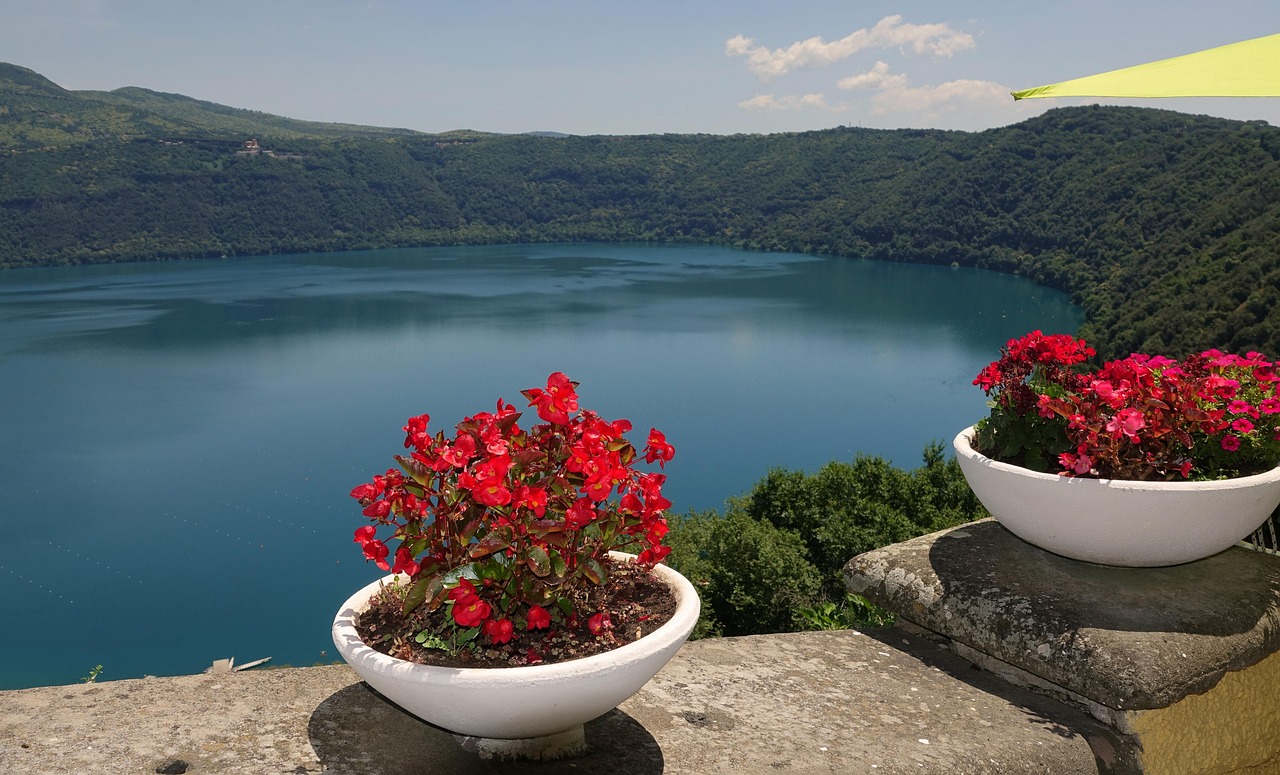
- Castel Gandolfo carries the papal layer: the Apostolic Palace — the popes’ summer residence for centuries — opened to the public as a museum in the Francis years — tickets via museivaticani.va — with the Barberini gardens touring on their own tickets and Lake Albano’s crater bowl below for the post-visit swim or stroll.
- Nemi is the miniature: a balcony town over its own small crater lake, famous for fragoline (wild strawberries, celebrated each June) and for Caligula’s pleasure ships — recovered from the lake bed in a famous interwar engineering feat and destroyed by fire in 1944, a loss the lakeside Museo delle Navi Romane presents straight, alongside surviving material and reconstructions.
- The Sunday truth per the alarm: the gita ai Castelli is Rome’s own weekend institution — fraschette full, roads slow, atmosphere at maximum — joined deliberately for the scene or dodged midweek for the quiet version of the same tables.

Getting there
The Frascati train opens the hills car-free, with local buses (and cheap short taxis) covering the Frascati–Grottaferrata–Castel Gandolfo–Ariccia–Nemi chain at rural frequency — the pick-two rule per the alarm exists because the chain’s charm dissolves when chased whole. Drivers gain Nemi’s flexibility at the price of Sunday’s traffic and every town’s ZTL awareness. The palace’s museum runs timed tickets worth booking on weekends; everything else in the hills works on arrival appetite.
The day
Frascati first from the train: the villa-crowned town’s belvedere over Rome’s sprawl, then the fraschetta lunch taken properly — house white in a chilled carafe, the paper spread with porchetta, corallina, cheeses, and olives, the bill arriving smaller than seems legal. The second act per the alarm’s fork: Castel Gandolfo’s version tours the Apostolic Palace’s papal apartments (the audience rooms, the popes’ bedroom, the museum’s portraits of every pontiff who summered here) and descends to Lake Albano’s shore for the crater-bowl hour — swimming in season, pedalos for the committed. Nemi’s version rides the winding road to the balcony town: strawberry tarts in the lanes, the overlook down the crater to the lake, and the ships museum’s story told at the register the alarm set — the recovery triumph, the 1944 fire, the bronze fittings and reconstructions that survive. Either version ends with the golden-hour ride back to Termini, thirty minutes and a world away.
When to go
September–October is harvest — the wine towns at working pitch, new-vintage fraschette evenings, and the hills’ clearest light. May–June runs wildflowers, Nemi’s strawberry festival, and lake swimming’s start; high summer makes the lakes the point (Albano’s beaches full, the towns cooler than Rome by real degrees). The Sunday decision per the alarm applies year-round: the gita crowds are the culture itself once a week, and the same tables sit quiet Tuesday. Winter compresses the hills to fireplace fraschette and empty belvederes — a valid short version an easy train away.
Frequently Asked Questions
What exactly is a fraschetta?
Historically a cellar selling its own wine, marked by a branch (frasca) over the door, where you brought or bought simple food; today, casual eating houses keeping the form — paper tablecloths, house wine in carafes, boards of porchetta and cheese, prices from another decade. Ariccia’s cluster is the famous concentration; Frascati’s are the train-accessible classics.
Can you really tour the papal palace?
Yes — the Apostolic Palace of Castel Gandolfo operates as a museum under the Vatican Museums’ administration, with the papal apartments and portrait gallery on timed tickets and the Barberini gardens touring separately. It opened to the public in the Francis years after centuries as the working summer residence; current popes’ usage varies, and the museum arrangement has held.
What happened to Nemi’s Roman ships?
Two enormous pleasure barges built under Caligula lay in the lake for nineteen centuries until a famous interwar recovery — the lake partially drained, the hulls raised, a lakeside museum built around them. In 1944, fire destroyed both ships in circumstances still argued (retreating troops the standing attribution, debated at the margins). The museum tells the triumph and the loss straight, with surviving bronzes and modern reconstructions carrying what remains.
Which two towns should first-timers pick?
Frascati plus Castel Gandolfo is the classic — train-easy wine town plus papal palace and lake. Frascati plus Nemi trades the palace for the miniature and the strawberries at slightly harder logistics. Ariccia inserts itself into either version the moment porchetta is mentioned, ideally as the lunch stop between.
Castelli Romani or Tivoli from Rome?
Tivoli (documented on this network with its Hadrian-first rule) for villa grandeur and fountain engineering; the Castelli for wine, porchetta, lakes, and Roman weekend culture. Monument day versus appetite day — thirty minutes each in opposite directions, and the honest Rome week does both.